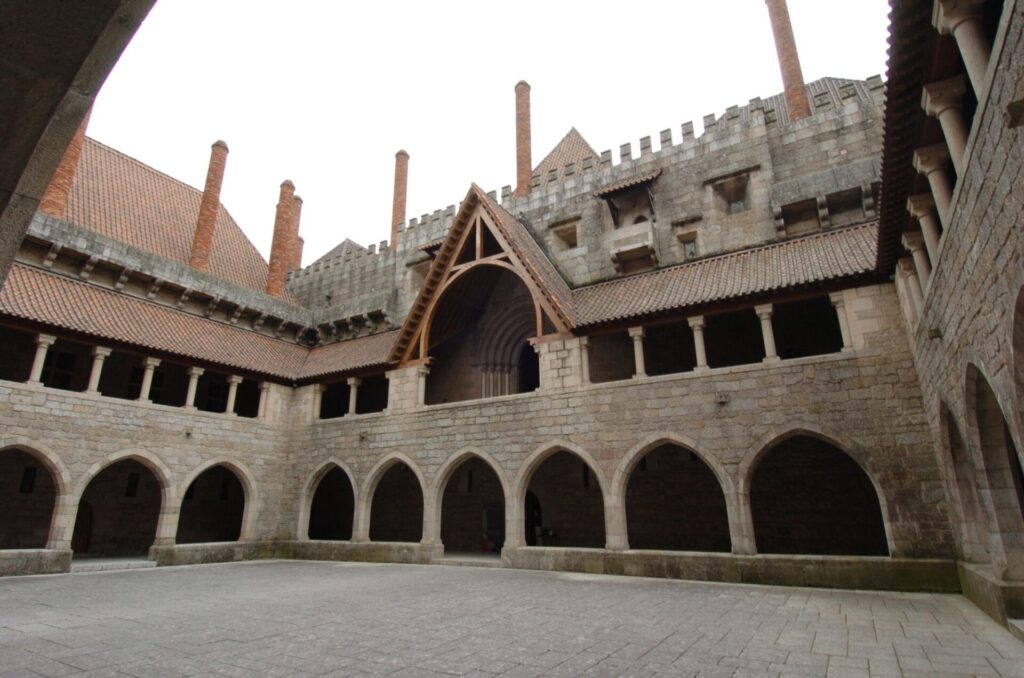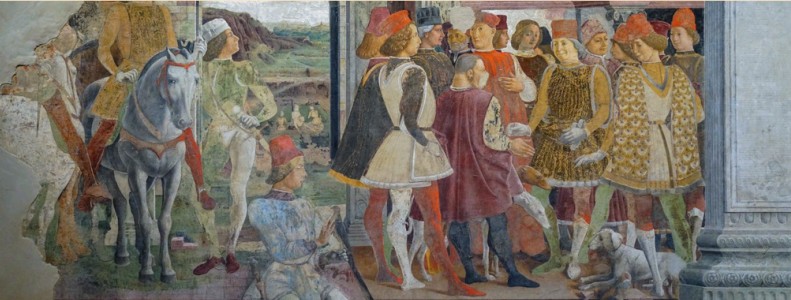
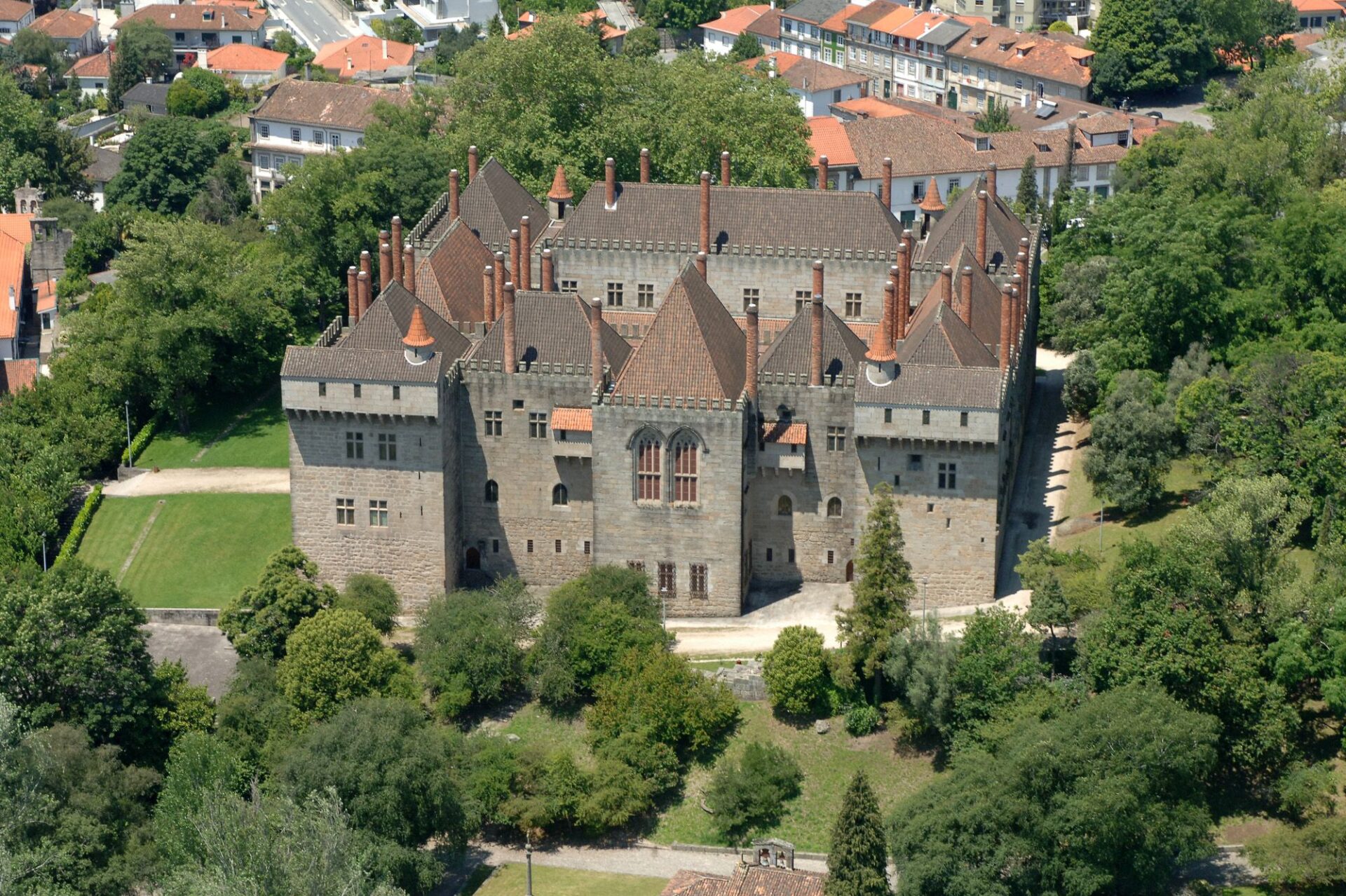
The workshop will run for 2 days including the presentation of case-studies and the attending discussions, as well as site visits to the Ducal Palace in which the meeting will take place, and (tentatively) the bishop’s palace in nearby Braga. In medieval and early modern courtly interiors, textiles and upholstery played a most prominent role. Covering walls, hanging over windows and doors, on the floor, over tables and daises, dressing the bed, dressing the body, textiles were present in the palace like no other component of its decoration. In some instances, they were so striking that the events they were involved in became known for the textiles used: the most famous example is probably the Field of the Cloth of Gold, an ephemeral set up assembled in 1520 to host a meeting between Henry VIII and François I. Understanding the importance of textiles helps clarify why patrons were willing to invest so much in them, from tapestries from Flanders to silk and gilt leathers from Venice among many others, by far the most expensive objects they acquired.The workshop will discuss strategies that museums and palace-museums have used, are using and would like to use in the future in order to provide their visitors with sensorial experiences regarding textiles. Various experiences have been put forth, some very simple but no less effective, that will be discussed. New digital technologies provide new ways to achieve these goals and will also be discussed.
Date: January 21-22, 2027
Location: Paço dos Duques de Bragança, Guimarães, Portugal
Organizers: WG3 COST Action 24164, IHA-NOVA FCSH / IN PAST, and Paço dos Duques de Bragança, Museus e Monumentos de Portugal, E.P.E., Guimarães, Portugal